
How to Watch Your Football Subscription Abroad
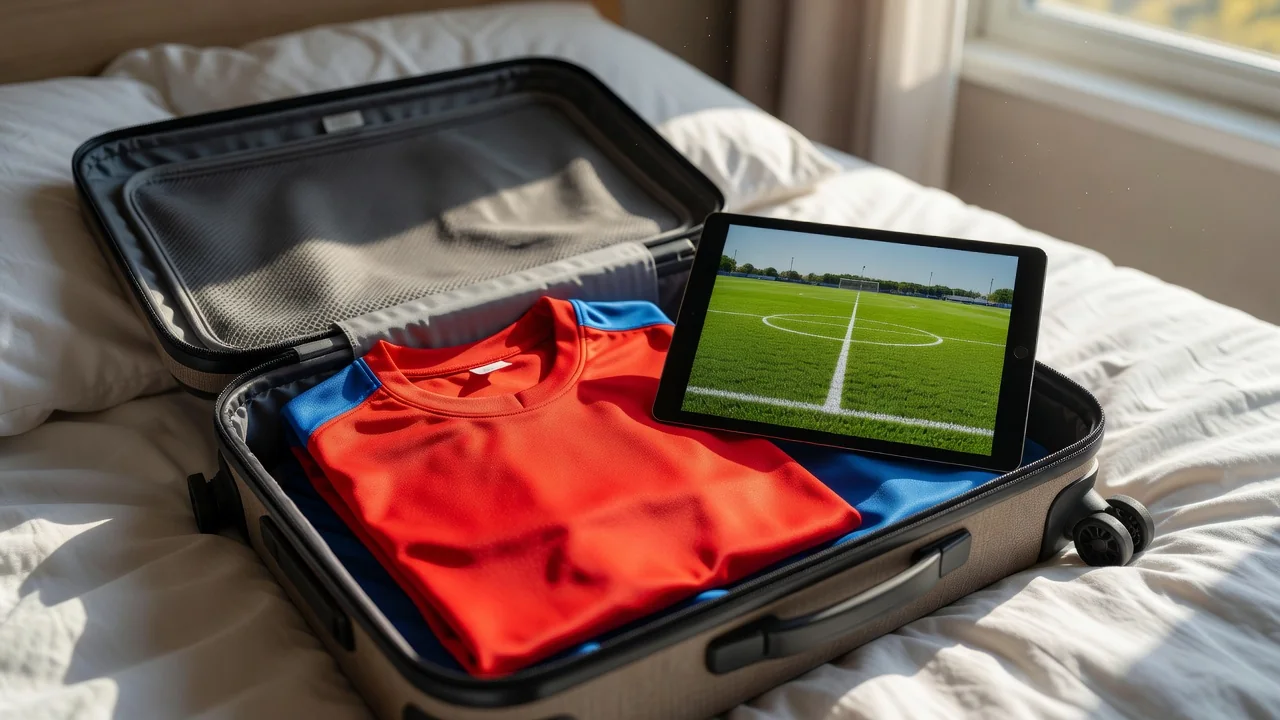
You pay for football at home, board a plane, open the app abroad — and the catalogue is gone or blocked. Sports rights are sold territory by territory, so your subscription is legally a different product in every country. Some routes across the border are simple and legitimate; others breach terms you agreed to. Here is what actually works, and where the lines are.
The EU portability rule: the clean exception
European Union law gives subscribers a genuine right. The Portability Regulation, in force since 2018, requires paid streaming services to let you use your home subscription while temporarily in another EU country — a UK-originated rule that survives for EU-resident subscribers travelling within the bloc. A subscriber from France, Germany or Spain on holiday in Italy keeps their home catalogue by law. The service verifies your home country at signup and can ask for confirmation, but cannot cut you off for a two-week trip.
Post-Brexit, UK subscribers lost this protection for EU travel: whether your UK service works in Spain now depends entirely on that provider's terms, and most sports services have tightened. The reverse — EU subscribers visiting the UK — holds under the regulation.
What the big services actually allow
Policies differ sharply. Entertainment platforms like Netflix simply show you the local catalogue abroad. Sports platforms are stricter because their rights are territorial. Discovery+ within the EU follows portability; outside it, many sports functions stop. Paramount+ operates in a limited set of countries and restricts streaming outside them, though downloaded content travels. Sky's apps historically allowed temporary EU viewing for UK customers within monthly limits; check the current policy before relying on it.

| Method | Legal status | Reliability |
|---|---|---|
| EU portability (EU residents in EU) | Legal right | High |
| Offline downloads made at home | Allowed everywhere | High |
| Local broadcaster where you travel | Legal | Varies |
| VPN to appear at home | Against terms of service | Increasingly blocked |
Downloads: the boring, bulletproof answer
The most reliable travel strategy requires no negotiation with rights law: download before departure. Broadcaster apps increasingly support offline downloads of replays and highlight shows — Paramount+, discovery+ on some tiers, iPlayer and ITVX all offer them. A Champions League replay downloaded at home works at 35,000 feet. The limitation is obvious — nothing live — but for time-shifted viewers it solves the problem completely.
The VPN question, answered honestly
Using a VPN to appear in your home country violates the terms of service of every major sports platform, and enforcement has hardened: services block known VPN exit points, and the cat-and-mouse grows less reliable each season. It is a terms breach rather than a criminal act for personal viewing in most jurisdictions, but the practical answer in 2026 is that it works poorly and risks your account. The legal routes above cover most real needs.
The local option: often the best one
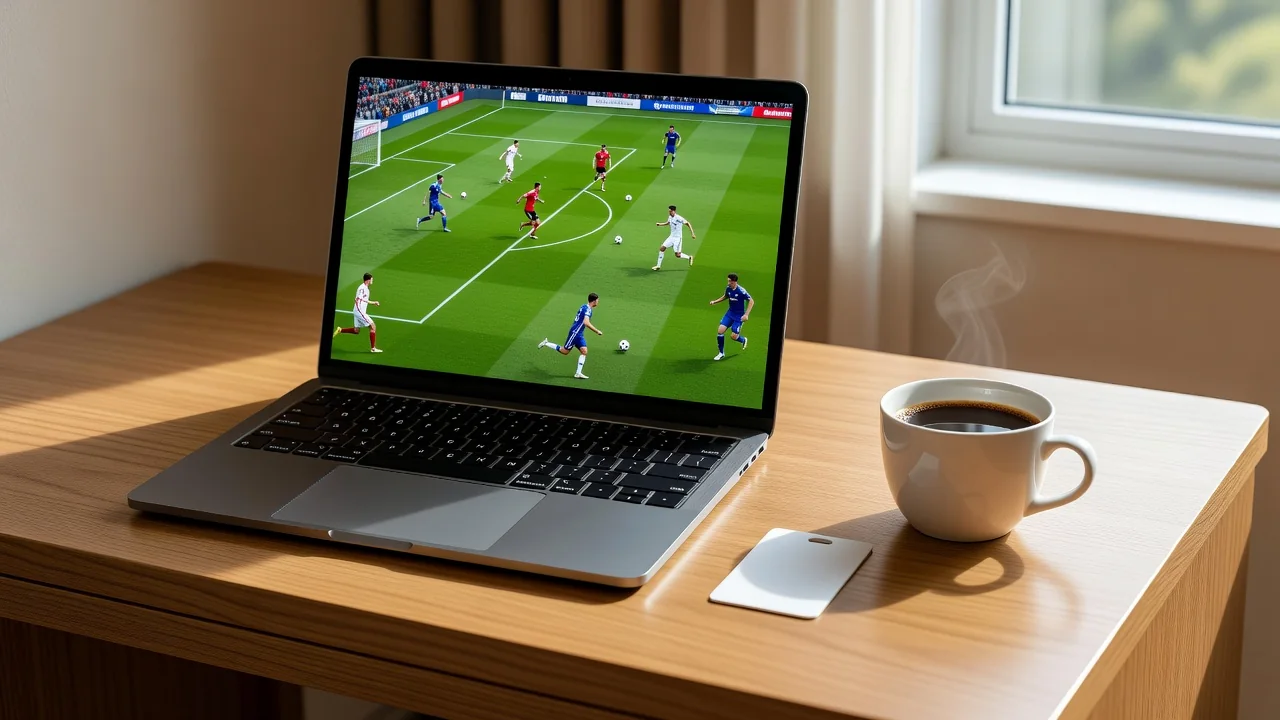
Football's global coverage means the match you want is usually on somewhere local. Hotel TVs in Spain carry La Liga's domestic broadcasters; bars from Bangkok to Buenos Aires show the Premier League legally; many countries' free-to-air channels carry the biggest Champions League nights. Asking what channel shows the game locally often beats fighting your own app's geography.
The travelling fan's checklist
- EU resident in the EU: your subscription travels by law — just log in.
- Everyone else: download replays and highlights before departure.
- Check the local broadcaster — elite football is on almost everywhere.
- Skip the VPN arms race; terms enforcement now wins most rounds.
The cruise, the campsite and other edge cases
Some travel contexts defeat every normal route. Cruise ships sit in international waters where no domestic rights apply and ship internet throttles video to unwatchable bitrates; the accepted wisdom is downloads or nothing. Campsites and rural stays flip the problem — the subscription works fine but the bandwidth does not, and the mobile-data option depends entirely on local coverage. Long-haul flights have improved: several airlines now sell streaming-capable Wi-Fi, and some carriers license live sport channels directly to the seatback screens on intercontinental routes, which has quietly become the most civilised way to watch a transatlantic kick-off.
The expatriate case differs from the traveller's. Living abroad for months means buying the local service — the portability rules cover temporary stays, not relocations, and providers check. The good news: every market this site's guides cover has a legal route, usually cheaper than the fan expects, and often cheaper than at home.
The rights geography that frustrates travellers also guarantees the match is being shown legally wherever you land. Plan the download, ask for the local channel, and the trip costs you no football at all.
Related guides

Best Streaming Services for Football in 2026
One subscription never covers everything. We map leagues to services so you pay only for what you watch.
2026-09-01
How to Watch Several Football Matches at Once
Ten simultaneous kick-offs, one pair of eyes. Multiview, goal-rush shows and second screens that work.
2026-08-25
Football TV Blackouts Explained: The 3pm Rule
Why a Saturday 3pm kick-off is invisible on British TV, and why that rule is now under real pressure.
2026-08-22