
How to Watch Several Football Matches at Once
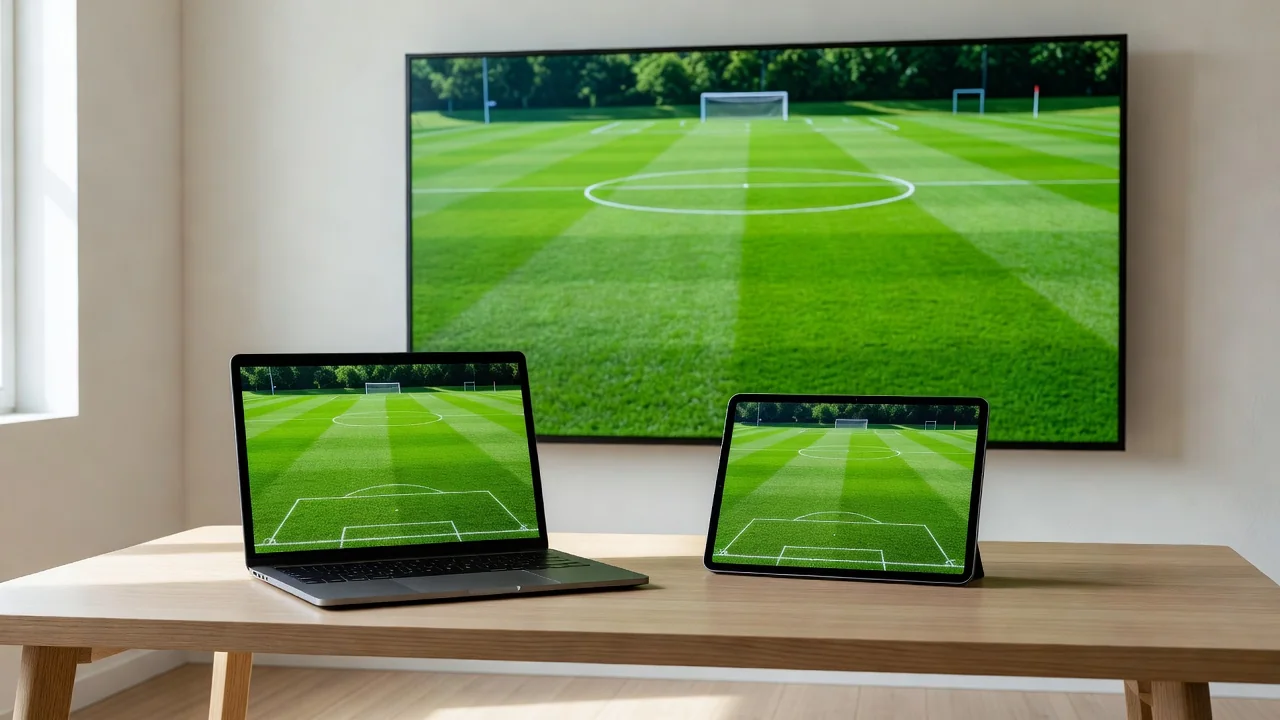
Ten Premier League matches at 3:00 p.m. Nine Champions League games in one window. Six World Cup fixtures in a day. Modern football constantly presents more simultaneous action than one screen can hold, and the tools for following it all have quietly become excellent. From broadcast whip-around shows to DIY multiview, here is how to watch everything at once without losing your mind.
The whip-around show: let professionals do the switching
The original solution remains the best. Sky's Soccer Saturday has followed every English 3:00 p.m. match simultaneously for decades — a studio panel watching all games, cutting to grounds as goals go in. Peacock's Goal Rush does the same for US Premier League viewers, TNT runs a Champions League goals show on nine-match nights, and CBS's Golazo Network streams a free whip-around for its competitions. During the Champions League's simultaneous final league-phase round, these shows are the only sane way to watch.
The format's genius is editorial: someone else decides which ground matters second by second, and you see every goal within moments of it happening, with replays of the rest.
Multiview: the DIY command centre
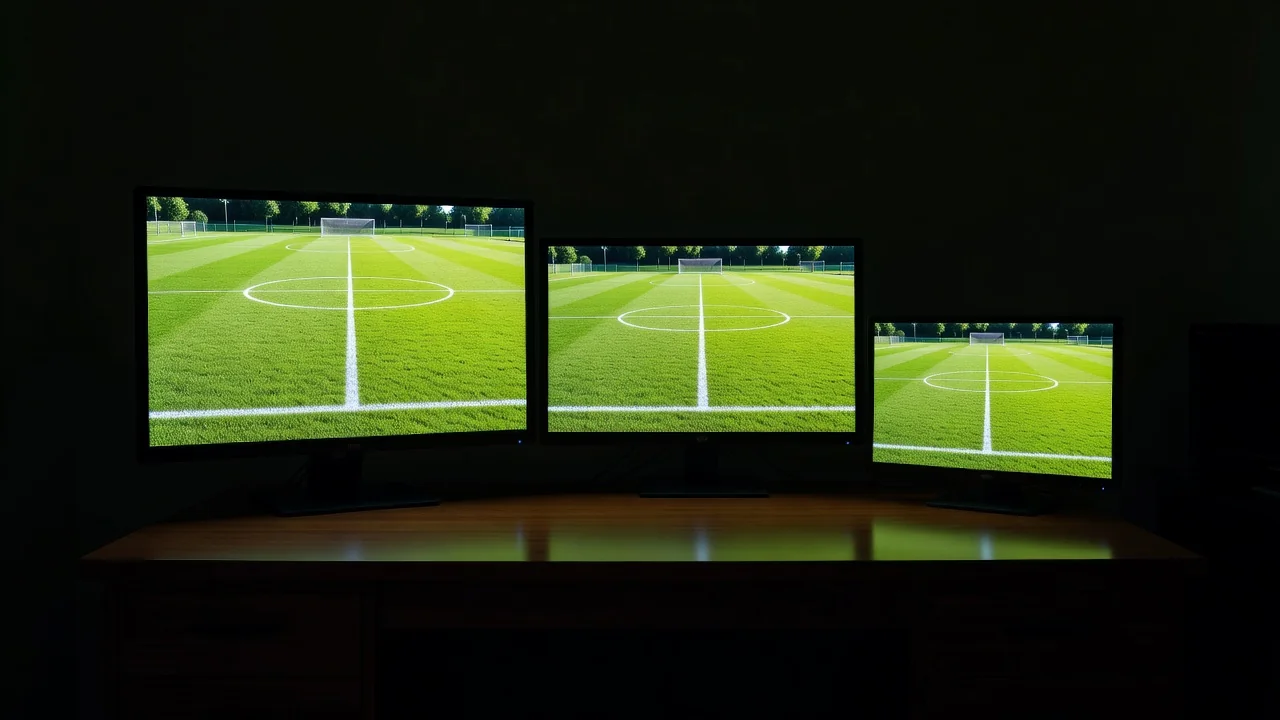
Several platforms now let you tile multiple live streams yourself. Paramount+ offers multiview on Champions League nights on supported devices — up to four matches at once. discovery+ and TNT's apps have similar tiled views. Apple's TV app supports multiview across compatible sports services on Apple TV 4K. YouTube TV's multiview, built for US sports, works for its football windows where rights allow.
| Tool | Platform | Best for |
|---|---|---|
| Goal Rush | Peacock (US) | Saturday 10 a.m. ET windows |
| Soccer Saturday | Sky Sports (UK) | The 3 p.m. blackout block |
| Multiview tiles | Paramount+, discovery+, Apple TV | Champions League nights |
| Golazo Network | CBS (US, free) | Serie A and UCL windows |
| Second-screen apps | BBC Sport, FotMob | Everything else |
The second screen: data beats a third video feed
Research into how fans actually multi-watch converges on a pattern: one main match on the big screen, one data feed on the phone, audio for a third game. Live-table apps that update standings in real time — as goals land across a league — deliver the drama of simultaneous football without splitting your eyes four ways. The Champions League's 36-team live table on final-round night is the extreme case: watching the table move is itself the spectacle.
Audio: the underrated third channel
Radio commentary requires no picture rights, so it covers everything. BBC Radio 5 Live and talkSPORT run simultaneous commentaries across their stations and apps on busy English weekends. One match on TV, the whip-around muted on a second screen, radio commentary in an earbud for the third — the full sensory stack costs nothing extra.
Setting up the living room for a simultaneous Saturday
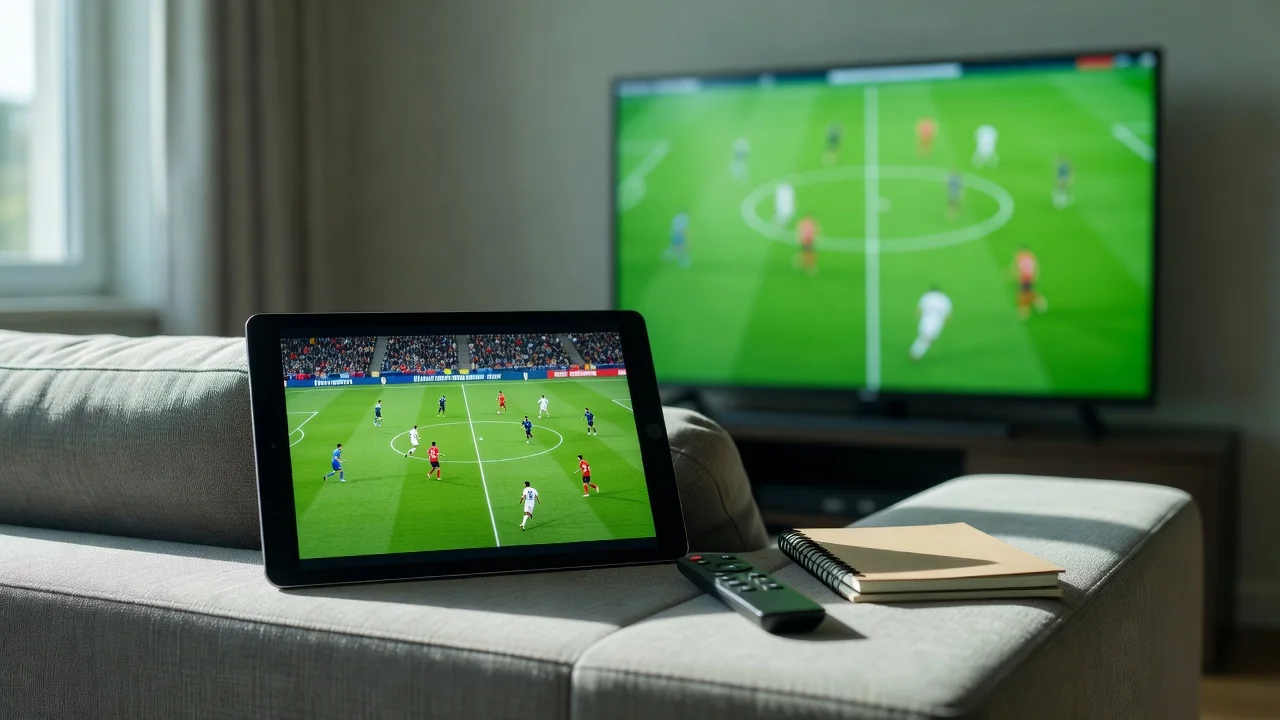
The practical home setup: main match on the TV at full attention; tablet on the arm of the sofa running the whip-around on low volume; phone face-up with the live table. Resist more than three feeds — beyond that you are monitoring, not watching, and none of the matches registers as memory. The point of football is the story; the tools exist to make sure you catch every chapter, not to read three books at once.
The multi-match hierarchy
- One match gets your full eyes — choose it by table stakes, not badge size.
- The whip-around earns the second screen, muted, for everything else.
- Live table on the phone for the third dimension.
- Radio in an earbud when a fourth match truly matters.
The fantasy-football effect on multi-watching
Fantasy Premier League's millions of managers changed how simultaneous football is consumed. A manager with players in six of the ten Saturday matches has a rooting interest in all of them, and the fantasy apps' live-points feeds became a fourth information channel: goals, assists and bonus points updating in real time alongside the score. Matchdays now structure themselves around it — the whip-around on the television, the live table on the tablet, the fantasy points page refreshing on the phone. Broadcasters acknowledge it openly, with caption graphics tracking the most-captained players' returns across the simultaneous games.
The same logic extends to betting slips and predictor leagues, but the pattern holds regardless of stake: simultaneous football is no longer about choosing a match, it is about tracking a portfolio of interests across the whole window. The tools exist precisely because the audience demanded them.
Simultaneous football is a feast best eaten in courses: one plate at a time, with the kitchen sending word of everything else. Build the stack once, and every crowded Saturday becomes manageable.
Related guides
Best Streaming Services for Football in 2026
One subscription never covers everything. We map leagues to services so you pay only for what you watch.
2026-09-01
How to Watch Your Football Subscription Abroad
Your home subscription does not always travel with you. The legal routes that actually work on the road.
2026-08-28
Football TV Blackouts Explained: The 3pm Rule
Why a Saturday 3pm kick-off is invisible on British TV, and why that rule is now under real pressure.
2026-08-22