
Premier League Streaming Without Cable: Best Options

Cable is no longer the gatekeeper for English football. In every major market the Premier League now streams directly, and in some the streaming service is actually the primary home rather than a supplement. The trick is matching the service to your country and your habits — paying for a bundle when a single app would do is the most common mistake.
The direct-to-consumer options, country by country
In the United States, Peacock is the answer. All 380 matches stream there, most of them exclusively, at $10.99 per month. No cable login, no bundle, no contract. In the United Kingdom the picture splits: NOW carries Sky Sports at £34.99 monthly with no dish or contract, while discovery+ streams TNT Sports at £30.99. Canada consolidated everything onto Fubo, which holds exclusive rights. Australia has Optus Sport, long the pioneer of streaming-first football at A$24.99 per month.
India deserves a mention for value: Disney+ Hotstar has historically carried the league at a fraction of Western prices, and Star Sports holds the TV side. Rights cycles shift, but South Asia consistently gets the cheapest legal access in the world.
| Country | Streaming service | Approx. monthly cost |
|---|---|---|
| USA | Peacock | $10.99 |
| UK (Sky games) | NOW | £34.99 |
| UK (TNT games) | discovery+ | £30.99 |
| Canada | Fubo | CA$24.99+ |
| Australia | Optus Sport | A$24.99 |
Live-TV bundles: when they still make sense
YouTube TV, Hulu + Live TV and Fubo in the US include the NBC and USA Network games inside a full cable replacement at $83 to $90 per month. That only pencils out if you were cutting the cord anyway and want news, entertainment and other sports in the same bill. For football alone, a dedicated sports service plus free highlights beats a bundle every time.
Devices, streams and picture quality
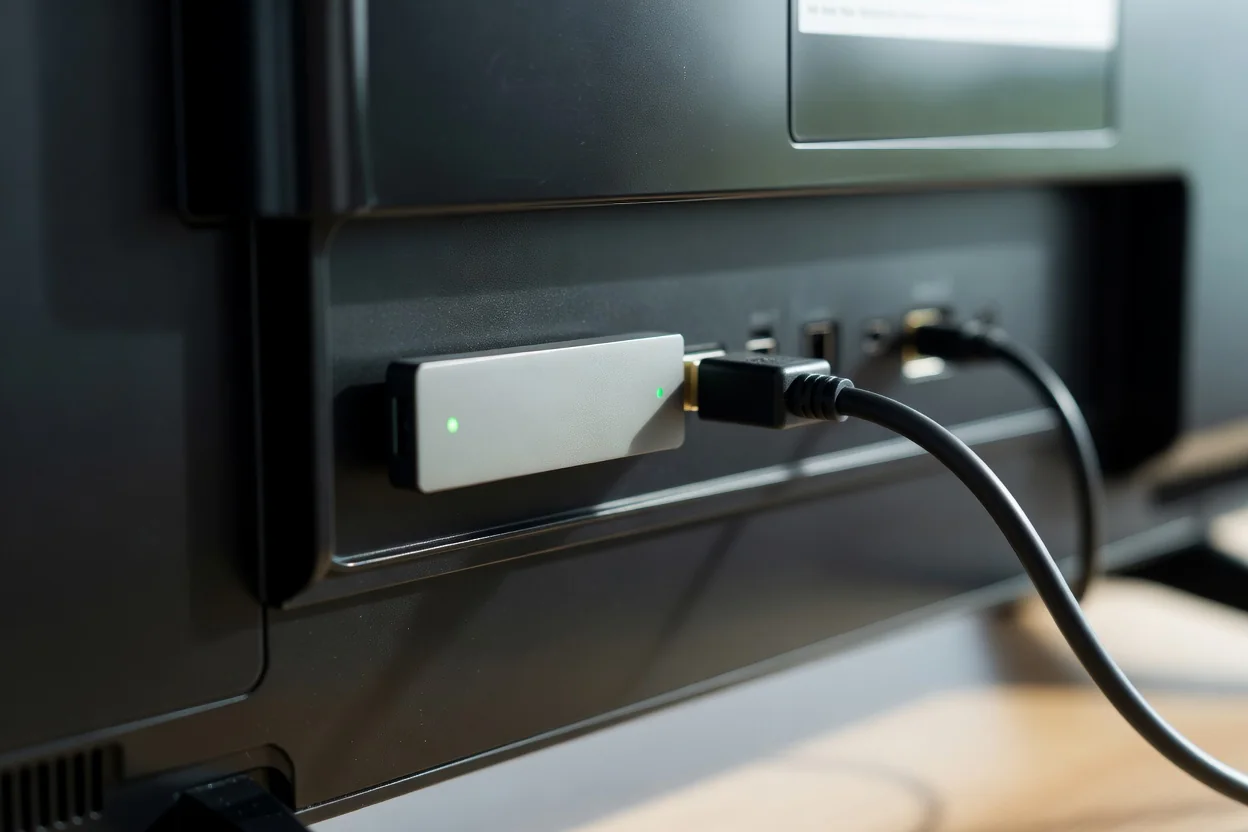
Every service above supports the same hardware: smart TV apps from Samsung, LG and Android TV, plus Apple TV, Roku, Fire TV, Chromecast, game consoles and mobile. Peacock streams the Premier League at up to 1080p; NOW caps at 1080p with its Boost add-on; Optus and Fubo offer selected matches in 4K. A wired or strong Wi-Fi connection of 25 Mbps handles any of them comfortably, though 10 Mbps is the realistic floor for stable HD.
One practical detail: streaming delays run 20 to 60 seconds behind live action. If your group chat celebrates goals before your screen shows them, mute notifications on matchday.
Trials, annual discounts and the pause trick
Peacock discounts its annual plan to roughly two free months. NOW runs promotional months through the season, often £20 for the first month. Optus Sport folds into some Optus mobile plans at no extra cost. Almost every service lets you cancel instantly online, and the season has natural dead spots — the June and July break, international windows — when pausing saves real money.
Choosing in thirty seconds
- USA: Peacock, done — everything else is optional.
- UK: NOW for the Sky majority, add discovery+ only if your club is often on TNT.
- Canada and Australia: one service carries everything, so there is no decision to make.
- Everywhere: check for an annual plan before paying month to month.
Streaming delay, spoilers and the group-chat problem
Every internet stream runs behind the live action — typically 20 to 45 seconds for the major services, occasionally over a minute on congested connections. Broadcast television and cable lag least, sometimes under ten seconds. The consequence is social: goal alerts, group chats and the neighbour's cheer arrive before the picture. Fans who watch on delay-sensitive apps adopt countermeasures — muting notifications, silencing the group chat, or deliberately following a data-free second screen. Some apps now offer a low-latency mode that trades a little picture quality for ten fewer seconds of delay; on derby day it is worth finding the toggle.
The audio bleed problem is harder to solve: in flats and terraces, a neighbour on a faster feed will announce goals through the wall. Headphones on the radio feed — which runs ahead of every stream — at least puts you first in your own building.
A final word on reliability, because it decides more subscriptions than price does. The major services have all survived their stress tests — Peacock carried record streaming audiences for the biggest Premier League fixtures without systemic failure, and NOW rebuilt its platform after the failures that dogged its early years. The weak link is almost always domestic: an overloaded evening broadband connection, a congested exchange, a router behind the television. Wired connections to the main screen, a stream started five minutes before kick-off, and the broadcaster app kept updated cover nearly every failure mode the average household will ever meet.
The cord-cutting maths is finally friendly to football fans: in most countries a single subscription between $10 and $35 now covers what used to require a $100 cable package.
Related guides
How to Watch the Premier League in the USA
NBC platforms still carry every match stateside. Here is what each option costs and which games land where.
2026-09-02
How to Watch the Premier League in the UK
Sky and TNT split the live rights again. What each shows, what it costs, and how to follow the rest.
2026-09-01
Premier League TV Schedule: Every Matchweek Explained
Five UK broadcast windows, moved fixtures and late announcements: how the weekly grid really works.
2026-08-30