
World Cup 2026 TV Schedule for US Viewers
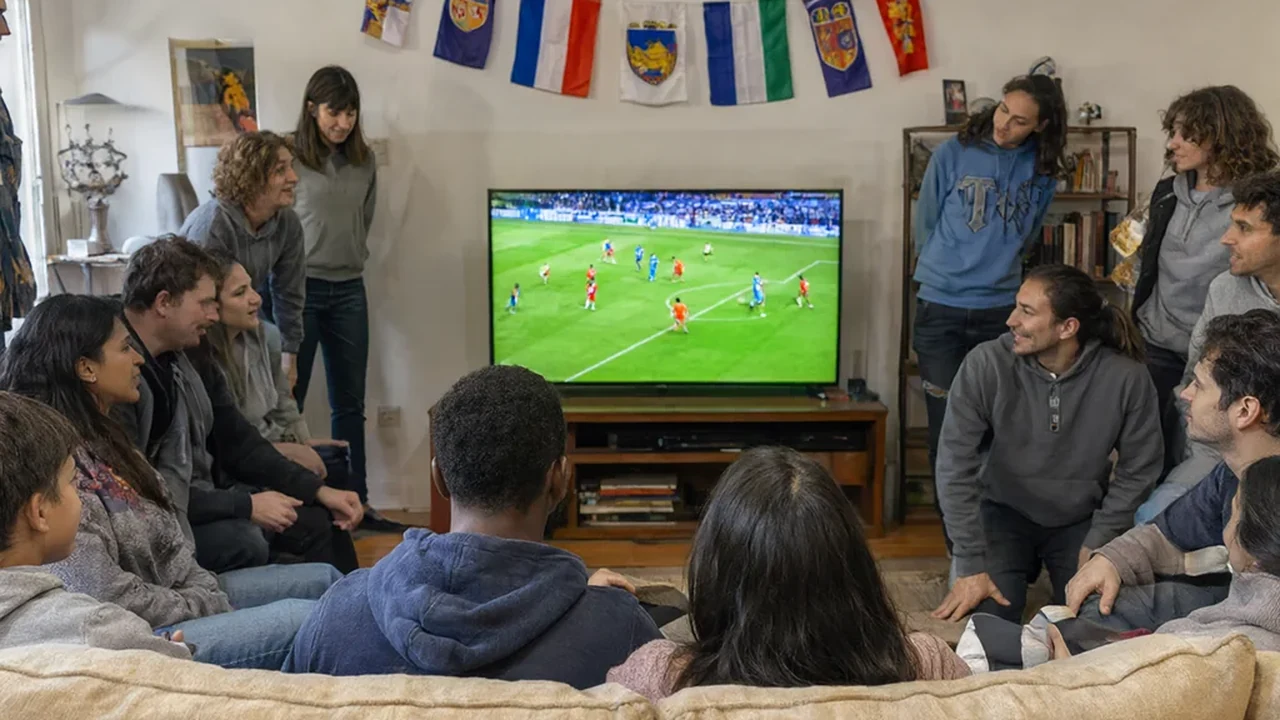
The 2026 World Cup is the largest football tournament ever staged and the first to be spread across three host countries. For viewers in the United States it is also the first World Cup where the time zones work in their favour, with matches played from afternoon to late evening rather than the early mornings that defined tournaments in Russia and Qatar. This guide explains how the tournament is shown in the USA, how the expanded format changes the schedule, and which dates to protect in your calendar.
The shape of the tournament
The finals expand to 48 teams, up from 32, and to 104 matches, up from 64. The field is split into twelve groups of four, with the top two from each group plus the eight best third-placed teams advancing to a round of 32. That extra knockout round is new and it stretches the tournament to just over five weeks, running from the opening match on 11 June to the final on 19 July 2026.
The host cities are spread across the three countries: eleven in the United States, three in Mexico and two in Canada. The final is scheduled for MetLife Stadium in New Jersey, and the opening match is in Mexico City. For American viewers that geography is a gift, because a tournament staged partly on home soil means kickoff times are set for local audiences rather than for European television.
Who shows it in the USA
Fox holds the English-language rights in the United States and Telemundo holds the Spanish-language rights, with streaming through the broadcasters' own apps. In practice that means the tournament is split between free-to-air network coverage, which will carry a large share of matches including the final, and streaming for the rest. Coverage details are confirmed closer to the tournament, so check the current listings rather than assuming a match will be on network television. Confirmed kickoff times are usually published in batches once venues and broadcast windows are finalised, which means the calendar fills in gradually through the season rather than all at once.
| Stage | Approximate window | Matches | US coverage |
|---|---|---|---|
| Group stage | 11 to 27 June | 72 | Network plus streaming, several per day |
| Round of 32 | Late June to early July | 16 | Network and cable, knockout slots |
| Round of 16 | Early July | 8 | Network, primetime scheduling |
| Quarter-finals | Mid July | 4 | Network, two per day |
| Semi-finals | 14 and 15 July | 2 | Network, evening kickoffs |
| Third place and final | 18 and 19 July | 2 | Network, final at MetLife Stadium |
Kickoff times to plan around
With venues from Vancouver to Miami the kickoff times will vary by region, but the tournament has been scheduled so that matches fall into a few repeatable windows rather than the 3am starts American fans endured in 2018 and 2022. Expect a midday group of fixtures for the European audience, an afternoon block suited to the American west, and evening kickoffs in the east. On the busiest group-stage days four or five matches may run back to back, which is why the group stage is the part of the calendar worth clearing entirely.
The knockout rounds tighten quickly. One match per slot, fixed venues, and the knowledge that extra time and penalties can add half an hour. Build that buffer into anything you plan afterwards, particularly for the semi-finals and the final, and remember that a match finishing level after 90 minutes can run past midnight on the East Coast if it kicks off late.
The draw and what it changes
The group draw is the moment the tournament becomes real for viewers, because it sets which teams play where and therefore which kickoff windows matter to you. It also drives the resale market for tickets and the price of accommodation in host cities within hours, so anyone planning to travel should have a shortlist of matches before the draw rather than after it.
For television purposes the draw is less dramatic than it looks. The broadcast schedule is built around windows rather than specific teams, so the app you need and the time you need to be free are set before the draw takes place. What changes is which of those windows you will actually care about, and whether a cross-country trip is worth it.
Following a team without cable
Network coverage is free with an antenna, and a cheap indoor aerial remains the most reliable way to watch the biggest matches without a subscription. Beyond that, the broadcasters' streaming apps carry the full slate and usually offer a trial, and Spanish-language coverage through Telemundo's app is a strong alternative for viewers who have it.
- Antenna for network matches, which covers the final and much of the knockout stage
- Streaming app for the group-stage matches that stay off network television
- A second language feed as backup when the main stream struggles
- Cloud DVR if you cannot watch live during working hours
Where to watch with a crowd
With matches in American stadiums, the atmosphere in host cities will be extraordinary, and fan festivals in each host city will show matches on big screens. Outside the host cities, supporters' clubs and football pubs are the best option for the knockout rounds, and many will open early for the midday windows. If you are travelling to a host city, book accommodation before the draw rather than after, because prices respond to the fixture list within hours.
For the rest of the international calendar, including qualifiers, continental tournaments and friendlies, see our international football TV hub. If you want the club game between now and June, the Premier League US guide covers the domestic season.
Related guides
World Cup 2026: How to Watch Every Match on TV
Forty-eight teams, three host countries, 104 matches. How broadcasters covered the biggest World Cup ever.
2026-09-02
How to Watch World Cup Qualifiers: TV Guide
Qualifying rights are split by confederation and country. A practical map of who shows what, where.
2026-08-30
England Matches on TV: Channels and Streaming
Free-to-air still rules for England home games. ITV, Channel 4 and the streaming routes explained.
2026-08-27
AFCON and Asian Cup on TV: How to Watch
Two continental championships, awkward time zones. Where to find live coverage and nightly highlights.
2026-08-24